Payment Variations Driving Bonus Triggers and Efficiency Gains in Digital Bingo
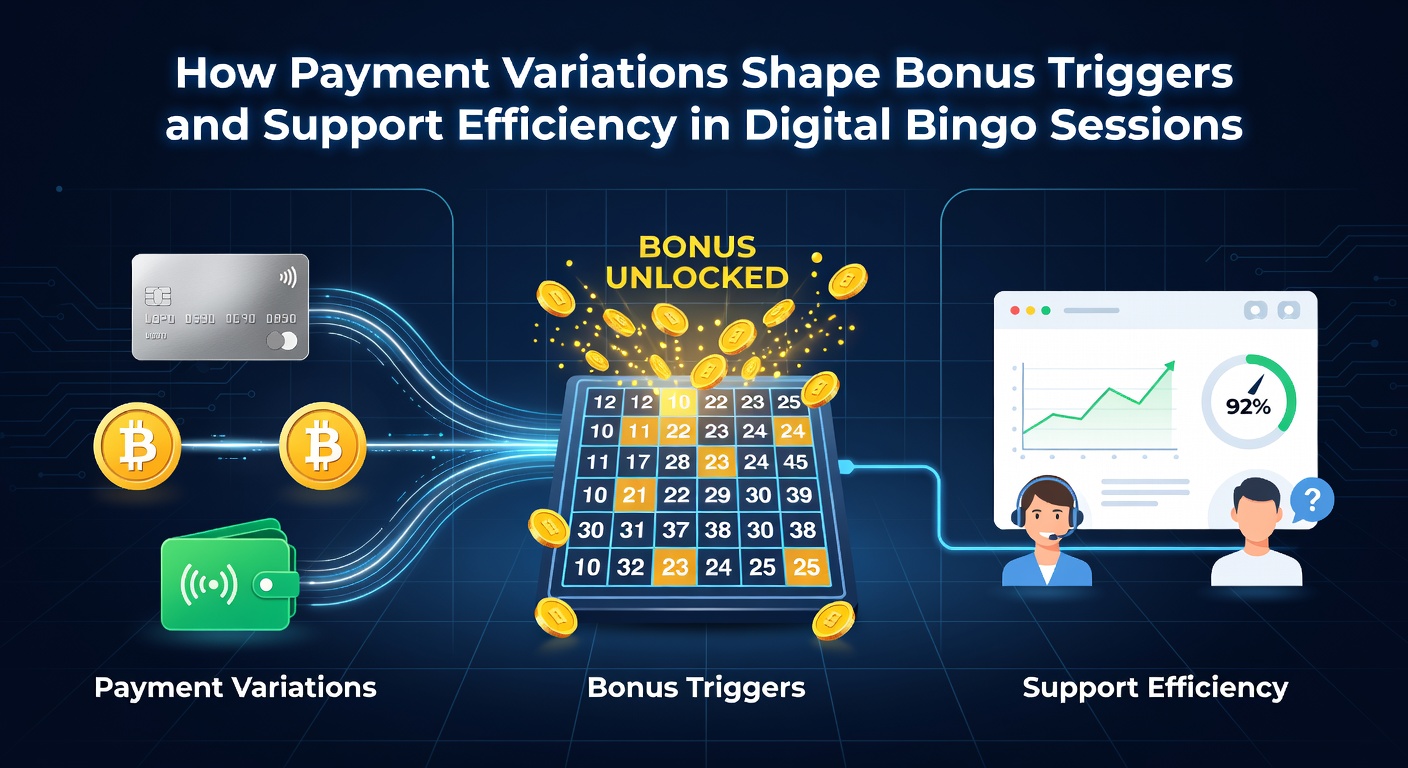
Payment variations play a central role in shaping how bonus triggers activate and how support systems operate during digital bingo sessions, with platforms adjusting mechanics based on deposit methods, processing speeds, and transaction volumes. Research from industry reports indicates that different payment types directly influence eligibility windows for bonuses, while also affecting response times in customer support queues.
Core Payment Types and Their Structural Differences
Digital bingo platforms rely on several payment categories including credit cards, e-wallets, bank transfers, and prepaid options, each carrying distinct processing timelines and verification requirements. Credit card deposits often clear instantly yet trigger additional security layers that can delay bonus crediting by several minutes, whereas e-wallet transactions frequently bypass some checks and allow immediate bonus activation. Bank transfers, by contrast, introduce longer settlement periods that push bonus triggers into subsequent sessions, creating staggered reward schedules rather than immediate ones.
Prepaid methods add another layer because they limit transaction amounts and sometimes restrict bonus multipliers, leading operators to apply customized trigger rules that differ from standard deposit flows. Observers note that these structural differences force platforms to maintain separate backend rulesets for each payment category to keep bonus systems synchronized with actual fund arrivals.
Bonus Trigger Mechanics Influenced by Payment Speed
Bonus triggers in digital bingo depend on real-time confirmation of deposits, and payment variations alter the exact moment when those confirmations occur. Instant methods activate triggers within seconds of authorization, allowing players to claim welcome bonuses or session multipliers during the same round, while slower methods shift triggers to later stages or require manual intervention from support teams. Data shows that platforms using multiple payment rails experience higher volumes of bonus claims when e-wallet options dominate because those methods reduce the time between deposit and trigger event.
Seasonal adjustments appear in June 2026 when several operators updated their systems to align bonus windows more closely with regional banking holidays, resulting in modified trigger conditions for bank transfer users. This change addressed mismatches where delayed funds missed time-limited promotions, and figures from platform analytics reveal improved claim rates after the update.
Support Efficiency Patterns Across Payment Channels
Support efficiency improves when payment variations are mapped to dedicated response protocols, since agents can resolve issues faster when they know the typical failure points of each method. Credit card disputes, for example, often require documentation that extends resolution times, whereas e-wallet queries frequently resolve through automated verification links sent directly to users. Platforms that segment support tickets by payment type report shorter average handling times because staff follow specialized checklists rather than general troubleshooting steps.
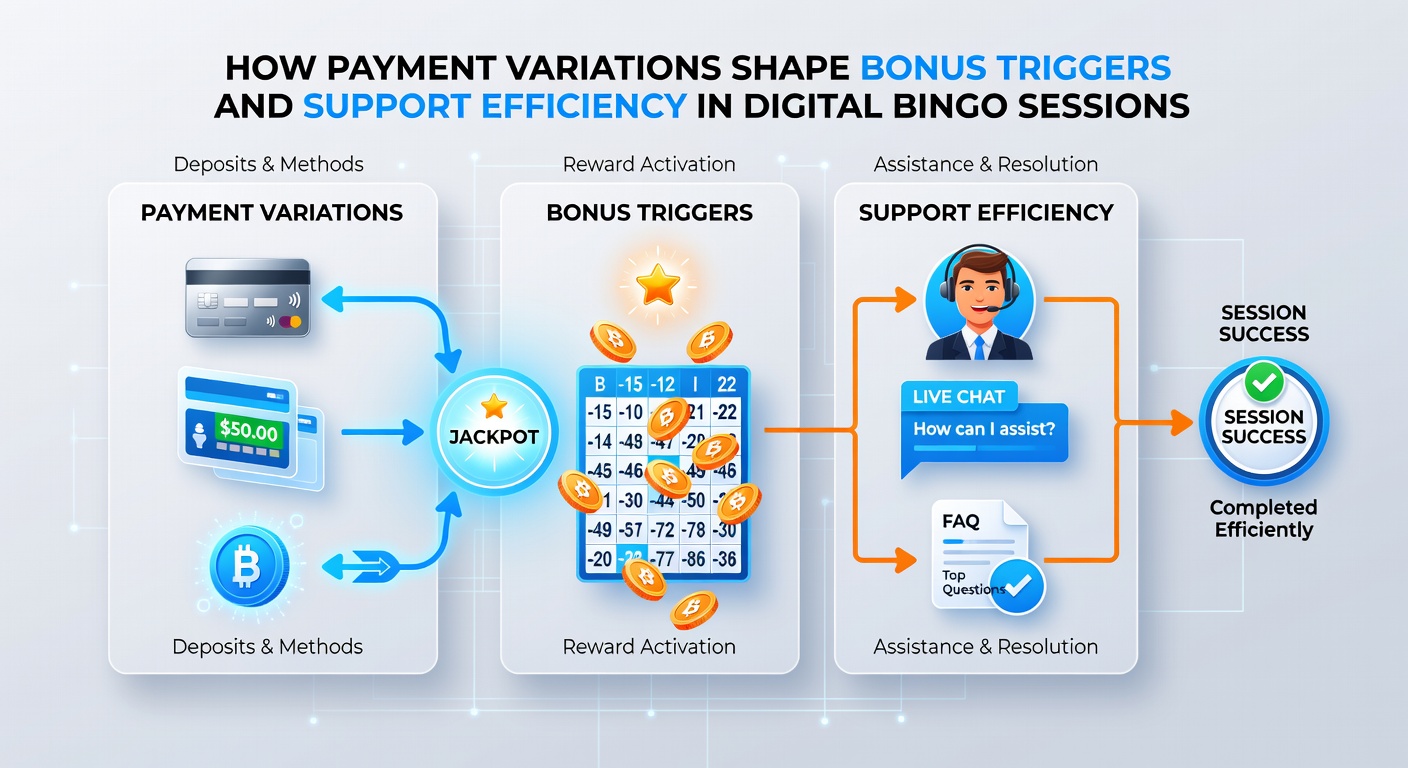
Integration between payment processors and live chat systems further streamlines efficiency, as transaction logs populate support interfaces automatically and reduce the need for players to repeat details. Studies from academic sources such as those published through the American Gaming Association highlight that operators using unified dashboards cut support resolution times by measurable margins when payment metadata flows directly into ticket systems.
Regional Regulatory Influences on Payment-Bonus Linkages
Regulatory frameworks in various jurisdictions shape how payment variations connect to bonus triggers, with requirements around transparency and responsible gaming prompting operators to disclose method-specific conditions clearly. In Canada, provincial frameworks encourage platforms to separate bonus eligibility rules by payment speed so users understand potential delays before committing funds, while Australian state guidelines emphasize clear labeling of processing times that affect promotional windows. These rules lead platforms to embed payment-specific disclaimers directly into deposit flows, which in turn supports more predictable bonus activation patterns and reduces support queries about unexpected delays.
European operators following directives from bodies like the European Gaming and Betting Association have implemented standardized reporting on payment method performance, generating data sets that help refine bonus triggers across different transaction types. Such reporting reveals patterns where certain methods correlate with higher support ticket volumes, prompting targeted efficiency improvements.
Operational Adjustments and System Scalability
Operators scale their systems by grouping payment variations into tiers that share similar trigger behaviors, allowing unified updates when bonus rules change. High-volume methods receive priority in queue management for support tickets, while lower-volume options follow secondary protocols that still maintain compliance. This tiered approach keeps overall efficiency stable even as new payment types enter the market and require integration without disrupting existing bonus mechanics.
Conclusion
Payment variations continue to determine the timing and conditions of bonus triggers while directly affecting how support resources are allocated in digital bingo environments. Platforms that align their systems with method-specific behaviors achieve more consistent activation rates and faster resolution of related issues, supported by regulatory frameworks and operational data that guide ongoing refinements.